January 23, 2025
Smart toilets come in two main types: those with a traditional water tank and those without. Here’s a look at the key differences between these two types:
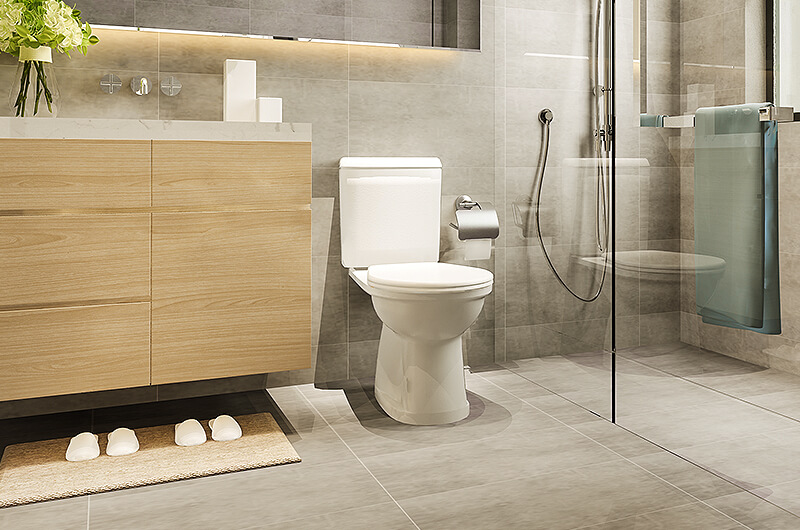
With Water Tank: Smart toilets with a water tank resemble conventional toilets, with a visible tank that stores water for flushing. They tend to have a more familiar and traditional appearance.
Without Water Tank: Tankless smart toilets have a sleeker, more modern design. The absence of a tank allows for a more compact and streamlined look, making them ideal for contemporary bathroom designs.
With Water Tank: These toilets rely on gravity-fed flushing, where water stored in the tank is released with the pull of a lever or press of a button, providing the necessary flushing power.
Without Water Tank: Tankless models use an electric pump to generate flushing power on demand. This allows for a more powerful and efficient flush, often with less water usage.
With Water Tank: Installation is generally simpler since it’s similar to a standard toilet setup, with a direct connection to the water supply and basic plumbing.
Without Water Tank: Tankless smart toilets may require more complex installation, including electrical wiring for the pump and, in some cases, additional plumbing work to ensure proper water pressure.
With Water Tank: These toilets take up more space due to the tank, which can be a consideration in smaller bathrooms.
Without Water Tank: The lack of a tank frees up space, making tankless toilets a better choice for compact or minimalist bathroom layouts.
With Water Tank: Generally, these toilets do not require electricity for the flushing mechanism, though they might for other smart features.
Without Water Tank: Tankless toilets require electricity to operate the pump, but they often include energy-efficient features like motion sensors and sleep modes to minimize power consumption.
The choice between a smart toilet with or without a water tank depends on your design preferences, space availability, and installation considerations. Tankless models offer a modern, space-saving solution with advanced flushing technology, while models with tanks provide a more traditional look and simpler installation.